What Are CSS Frameworks and How Do They Simplify Web Design?
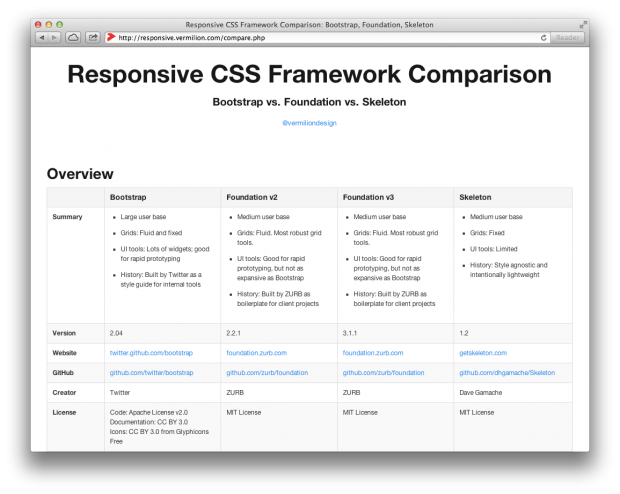
CSS Frameworks are pre-prepared libraries that simplify the process of web design and development by providing a standardized structure of CSS styles and components. These frameworks allow developers to create visually appealing and responsive websites more quickly and efficiently. Popular CSS frameworks like Bootstrap, Foundation, and Bulma come with predefined classes, grid systems, and UI components that help reduce the need for custom CSS coding, thereby accelerating the design process.
One of the main advantages of using a CSS framework is its ability to promote consistency throughout a web project. With a set of predefined styles and components, designers ensure that the look and feel remain uniform across different pages and devices. Furthermore, these frameworks often come equipped with responsive design features, making them invaluable in today's multi-device landscape. By utilizing a framework, developers not only save time but also minimize the risk of errors, leading to a smoother overall workflow in creating user-friendly and accessible websites.
Top 5 CSS Frameworks to Boost Your Web Development Workflow
In the fast-paced world of web development, CSS frameworks can significantly enhance your workflow by providing pre-designed components and a cohesive structure. Here are the Top 5 CSS Frameworks that can help streamline your projects:
- Bootstrap: Known for its extensive grid system and responsive design utilities, Bootstrap is a favorite among developers for building mobile-first websites.
- Tailwind CSS: A utility-first framework that allows for rapid design with low-level utility classes, making customization easy while maintaining a clean codebase.
- Bulma: This modern CSS framework is based on Flexbox, which simplifies layout design, providing a set of easy-to-use components.
- Foundation: Tailored for advanced users, Foundation offers a robust toolkit for responsive and customizable web designs.
- Semantic UI: This framework focuses on human-friendly HTML and uses classes that describe their functionality, enhancing readability and maintainability.
How to Choose the Right CSS Framework for Your Project
Choosing the right CSS framework for your project is crucial for ensuring both efficiency and effectiveness in your web development process. Start by assessing the specific needs of your project: Are you building a simple static site, or a complex web application? Popular frameworks like Bootstrap are excellent for rapid development with predefined components, while Tailwind CSS offers a utility-first approach that allows for more customization. To make an informed decision, list your requirements, such as responsiveness, components library, and browser compatibility.
Next, consider the community support and documentation available for each framework. A strong community can be invaluable when facing challenges, as you can find solutions through forums and tutorials. Check platforms like Medium or GitHub repositories for insights and user experiences. Furthermore, assess the performance and scalability of the framework you are considering. This will ensure that as your project grows, the framework can handle increased complexity without sacrificing load times or functionality. By following these considerations, you'll be well on your way to selecting the right CSS framework for your project.