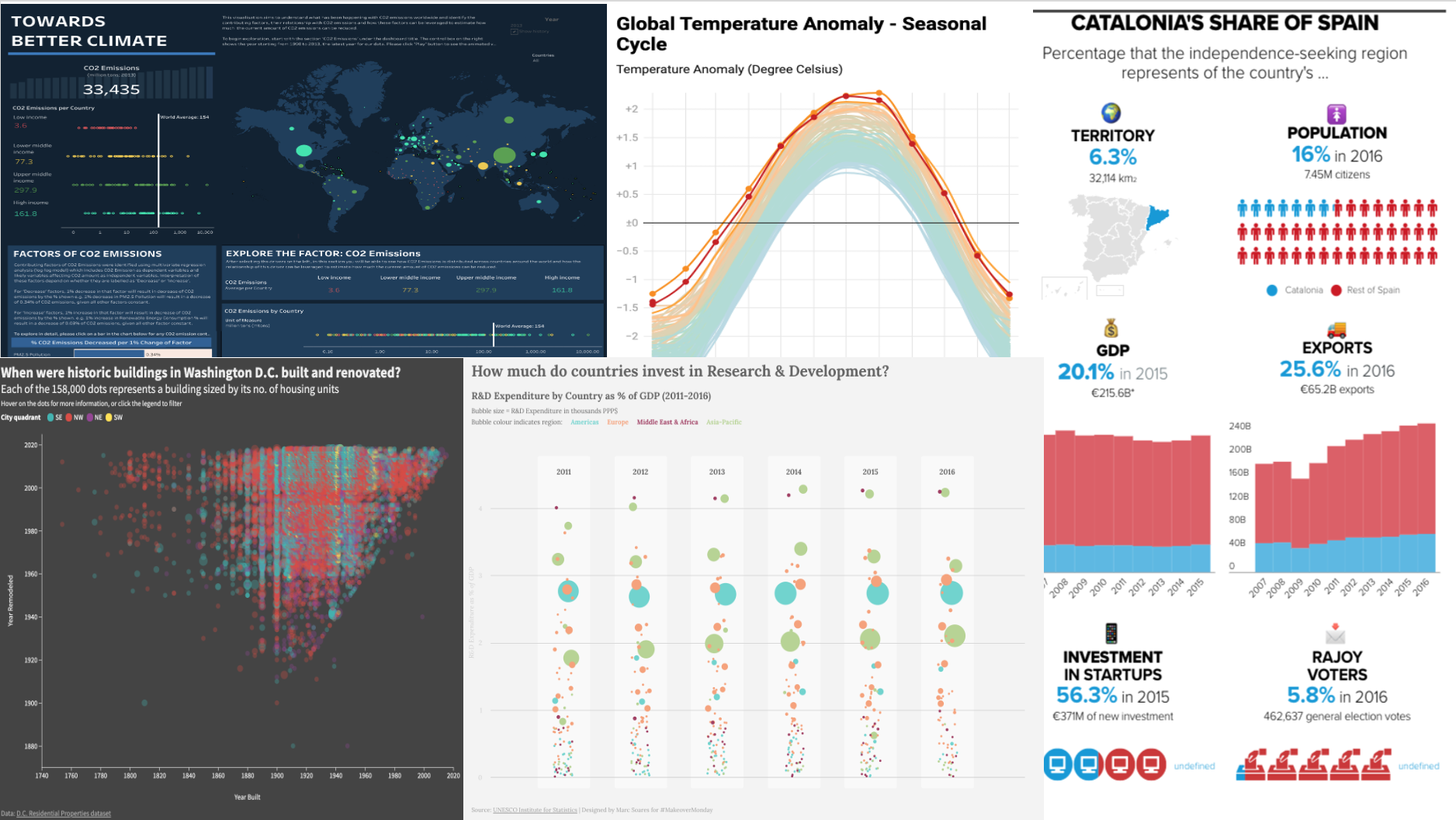
The Art of Data: How Visualization Transforms Complex Information
The art of data visualization is a powerful tool that transforms complex information into clear, understandable insights. By employing various techniques such as charts, graphs, and infographics, data visualization allows audiences to quickly grasp patterns, trends, and relationships within the data. This is especially important in today's fast-paced world, where decision-makers need to absorb information rapidly and accurately. When complex datasets are simplified through visuals, they not only become more engaging but also easier to analyze, paving the way for informed decision-making.
Moreover, effective data visualization plays a crucial role in communication. It can turn dry statistics into compelling stories that resonate with viewers. For example, interactive dashboards can provide real-time updates, enabling users to explore the data through filtering and zooming. This interactivity enhances user engagement and encourages deeper exploration. Ultimately, the fusion of technology and art in data visualization not only clarifies complex information but also empowers organizations to convey their messages more effectively and make data-driven decisions with confidence.
Top 5 Data Visualization Tools for Creative Analysts
Data visualization is an essential skill for creative analysts looking to present their findings in a clear and impactful way. With a plethora of tools available, choosing the right one can significantly enhance your data storytelling capabilities. Here are the Top 5 Data Visualization Tools that every creative analyst should consider:
- Tableau: Renowned for its powerful capabilities, Tableau allows users to create interactive and shareable dashboards. Its intuitive interface and extensive customization options make it a favorite among analysts.
- Power BI: Microsoft's Power BI integrates seamlessly with other Microsoft products and offers robust data modeling features, making it suitable for business analysts.
- Google Data Studio: A free tool that simplifies data sharing and collaboration, allowing analysts to create dynamic reports from various data sources.
- QlikView: Known for its associative data model, QlikView provides users with the ability to explore and visualize data in real-time.
- infogram: Ideal for creating infographics, Infogram is user-friendly and offers a wide array of templates to make data visually appealing.
Why Data Visualization is Essential for Effective Decision Making
Data visualization plays a crucial role in the decision-making process by transforming complex datasets into easily digestible visual formats. Graphs, charts, and infographics allow decision-makers to quickly grasp patterns, trends, and outliers without sifting through mountains of raw data. This clarity not only enhances understanding but also leads to more informed choices that can significantly affect an organization's direction and success. In today’s data-driven world, the ability to interpret vast amounts of information visually is no longer optional but a necessity for accurate insights.
Furthermore, effective data visualization fosters collaboration among teams by providing a common language through visuals. When team members can see the same data represented graphically, it encourages discussion and facilitates consensus on strategic plans. Techniques such as dashboards and real-time data feeds empower stakeholders to monitor performance metrics actively, ensuring their decisions are based on the latest available information. Ultimately, investing time and resources into mastering data visualization is essential for any organization aiming to enhance its decision-making capabilities.